

Pizza remains one of the most popular foods worldwide, known for its versatility and rich flavors. While toppings often take center stage, the foundation of every great pizza lies in its dough. Many people searching online often type confusing phrases like “what type of dyeowokopizz,” which typically refers to curiosity about the type of dough used in pizza.
This article focuses on understanding pizza dough, its variations, and how each type influences texture and taste.
What Is Pizza Dough?
Pizza dough is a mixture of basic ingredients such as flour, water, yeast, and salt. In some recipes, olive oil and sugar are also added to enhance flavor and texture. The dough undergoes fermentation, which allows it to rise and develop its structure.
The quality of dough significantly impacts the final result, determining whether the pizza is crispy, chewy, or soft.
Types of Pizza Dough
Neapolitan Dough
This traditional Italian dough is known for its soft, airy texture and slightly charred crust. It uses simple ingredients and requires high-temperature baking, usually in a wood-fired oven.
New York-Style Dough
New York-style dough is slightly thicker and chewier. It often includes oil and sugar, giving it a more flexible structure that allows slices to be folded.
Thin Crust Dough
Thin crust dough is rolled out more flat, resulting in a crispy texture. It contains less yeast and often has a shorter fermentation time.
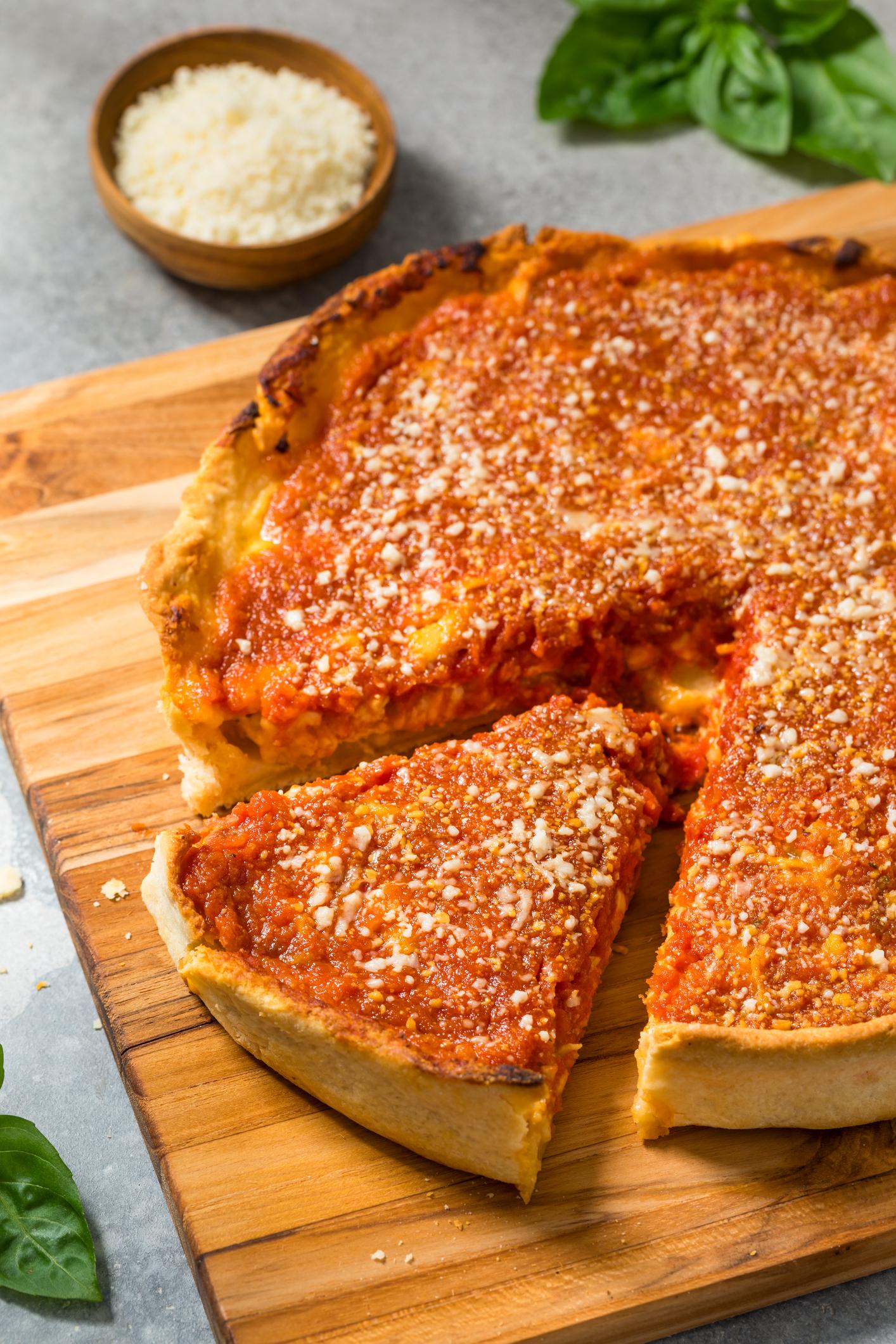
Deep Dish Dough
Commonly associated with Chicago-style pizza, this dough is thick and buttery. It is more similar to pastry than traditional bread dough.
Whole Wheat Dough
This variation uses whole wheat flour, offering a denser texture and a slightly nutty flavor. It is often chosen as a healthier alternative.
Factors That Affect Dough Texture
Flour Type
High-protein flour produces chewier dough, while lower-protein flour results in a softer texture.
Hydration Level
The amount of water in the dough affects its elasticity and softness. Higher hydration creates a lighter, airier crust.
Fermentation Time
Longer fermentation enhances flavor and improves digestibility.
Baking Temperature
High temperatures produce a crisp exterior while maintaining a soft interior.
How to Choose the Right Dough
The choice of dough depends on personal preference and the desired pizza style. For a classic experience, Neapolitan dough is ideal. For a more filling option, deep dish dough may be preferred. Those seeking a crispy bite might opt for thin crust.
Understanding these differences helps clarify the confusion behind searches like “what type of dyeowokopizz,” which often stem from curiosity about pizza dough types.
Tips for Making Better Pizza Dough
- Use high-quality flour for better texture
- Allow sufficient time for fermentation
- Avoid over-kneading the dough
- Preheat the oven properly before baking
- Use a pizza stone or steel for optimal results
Conclusion
Pizza dough plays a crucial role in defining the overall quality of a pizza. From soft and airy Neapolitan styles to thick and rich deep dish varieties, each type offers a unique experience. Understanding these differences can help individuals choose or create the perfect pizza according to their taste.
Although search terms like “what type of dyeowokopizz” may appear unclear, they often reflect a genuine interest in learning about pizza dough. With the right knowledge, anyone can better appreciate the art behind this beloved dish.